
The psychology of risk Unraveling the mind behind gambling behavior
The Nature of Risk in Gambling
The concept of risk is central to understanding gambling behavior. When individuals engage in gambling, they often do so with the awareness that they may lose money. Yet, the allure of potential rewards can cloud judgment. This phenomenon is rooted in the psychology of risk-taking, where the thrill of uncertainty excites the brain’s reward pathways. The uncertainty creates a state of cognitive dissonance, compelling players to weigh the consequences against the potential gains. In this context, exploring online pokies can reveal various enticing opportunities.
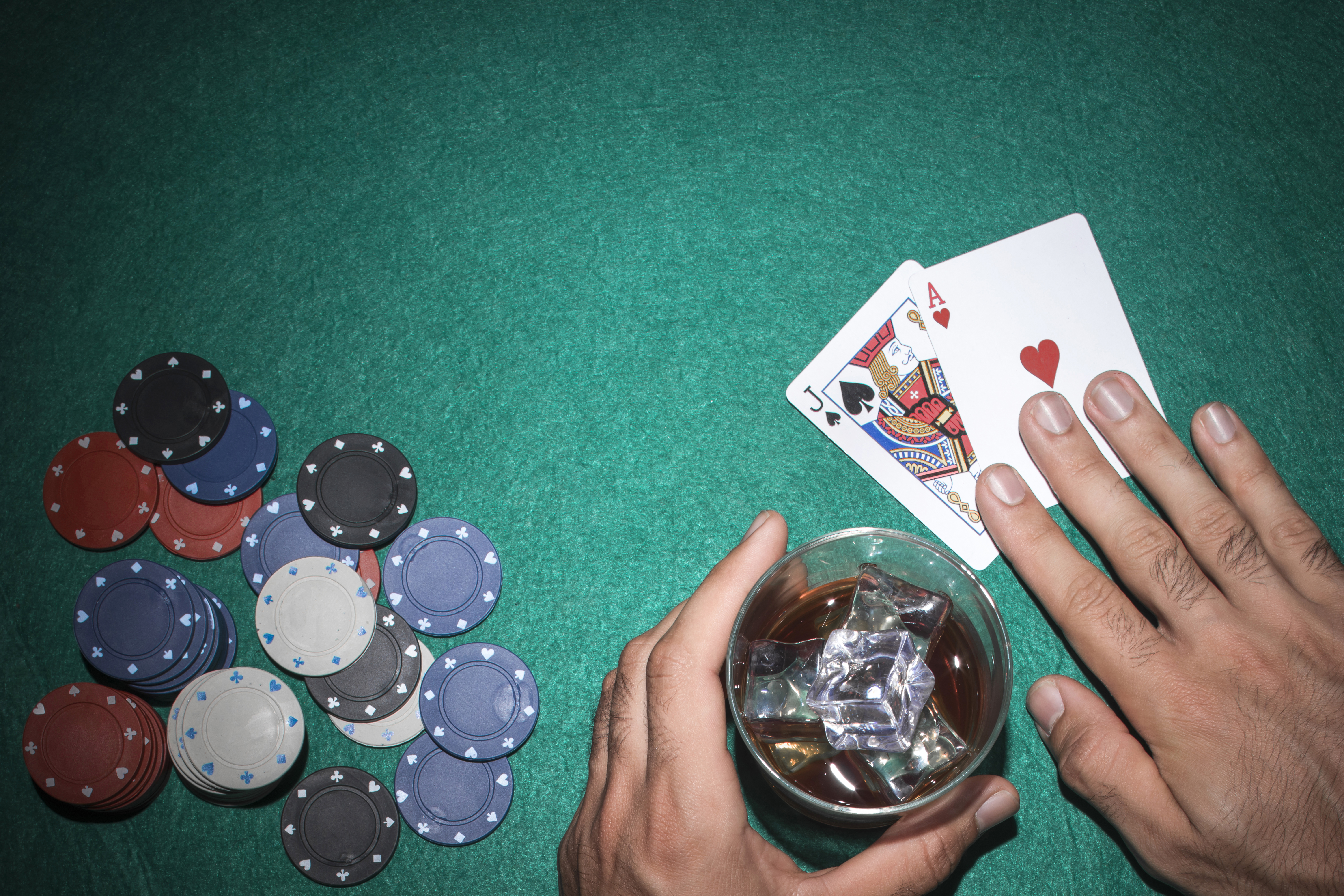
Moreover, the perception of risk varies widely among individuals. Some people thrive on high-stakes gambling, drawn to the adrenaline rush it provides, while others prefer more conservative betting strategies. This variation can often be attributed to personality traits. For instance, individuals who score high on traits like sensation-seeking are more likely to take risks, viewing gambling as a thrilling venture rather than a financial strategy.
Additionally, the environment plays a crucial role in shaping gambling behavior. Casinos are designed to enhance the experience, with their bright lights and engaging sounds creating an atmosphere that encourages prolonged play. This psychological manipulation makes it easier for gamblers to underestimate the risks involved, often leading to impulsive decisions fueled by excitement and cognitive biases.
The Role of Cognitive Biases
Cognitive biases significantly influence gambling behavior, often skewing the perception of risk and reward. One of the most common biases is the illusion of control, where gamblers believe they can influence the outcome of games, especially in skill-based situations like poker. This false sense of control can encourage individuals to take greater risks, leading to increased betting and potential losses.
Another prevalent cognitive bias is the gambler’s fallacy, which leads individuals to believe that past events can influence future outcomes. For instance, if a roulette wheel has landed on red several times, a gambler may incorrectly assume that black is ‘due’ to occur. This misconception can foster an unsustainable belief in consistent winning patterns, ultimately leading to significant financial losses.
Furthermore, confirmation bias can play a role in reinforcing gambling behaviors. Players often remember their wins and forget their losses, creating an overly positive narrative about their gambling experiences. This selective memory can lead to repeated gambling, as individuals are more likely to continue participating in activities they perceive as rewarding, regardless of the reality of their outcomes.
Emotions and Gambling Behavior
Emotional states can heavily influence gambling behavior, often serving as a catalyst for risk-taking. Many individuals turn to gambling as a form of escapism, using it to cope with stress, anxiety, or depression. This emotional connection can lead to a cycle of gambling as a means of relief, which paradoxically can result in heightened stress and anxiety when losses occur.
Moreover, the thrill of winning creates a euphoric high that can become addictive. This emotional reinforcement can cause individuals to chase losses, believing that a big win is just around the corner. Such behaviors highlight how emotions can cloud rational judgment, leading to behaviors that are detrimental in the long run.
Additionally, social emotions such as peer pressure can further complicate gambling behaviors. When individuals gamble in social settings, the excitement of shared experiences can amplify risk-taking tendencies. The desire to fit in or impress others may lead individuals to bet larger amounts than they would typically consider, amplifying the emotional stakes involved in gambling.
The Social and Cultural Influences on Gambling
The social context in which individuals engage in gambling activities can profoundly shape their behavior. In some cultures, gambling is not only accepted but celebrated as a form of entertainment. This cultural backdrop normalizes risk-taking behaviors, making individuals more likely to participate in gambling activities without fully considering the risks involved.
Peer influence is another critical factor that plays into gambling behaviors. Individuals often look to friends or family members for cues on acceptable behavior, including how much to bet and when to gamble. This social validation can create an environment where risky behavior is not only tolerated but encouraged, further compounding the risks associated with gambling.
Additionally, the rise of online gambling platforms has transformed the landscape of gambling behavior. The anonymity and accessibility of online casinos enable individuals to gamble without the social constraints present in traditional settings. This can lead to an increase in impulsive gambling behavior as players engage without the immediate feedback of peers or the physical environment of a casino.

Your Guide to Responsible Gambling
Understanding the psychology behind gambling behavior is crucial for fostering responsible gambling practices. The insights into risk perception, cognitive biases, and emotional influences can help individuals recognize their gambling tendencies and make informed decisions. Strategies such as setting limits, understanding the odds, and seeking support can mitigate the risks associated with gambling.
For those looking to engage in gambling responsibly, resources are available that provide guidance and tools for safe play. Education on the various aspects of gambling can empower individuals to recognize when their behavior might be crossing into problematic territory. Awareness and reflection on one’s gambling habits can promote healthier interactions with risk.
Online Pokies NZ serves as a comprehensive guide for players in New Zealand, offering insights not only into the best casinos and games but also emphasizing responsible gambling. By providing valuable information about gaming options, safe payment methods, and secure environments, it aims to enhance players’ experiences while safeguarding their financial well-being. Engaging with reputable platforms can significantly improve the overall gambling experience, ensuring entertainment is prioritized without falling prey to the darker side of risk-taking behavior.